


Puritans lack this sense of measured and temperate appetite. When sexual taboos were lifted, therefore, they found no further reason to refrain from indulgence. Since no virtue was at risk in our sexual transgressions, these ceased overnight to be transgressions. Thereafter, no proof of the damage done to children by premature experiment, no proof of the moral and medical chaos of uninhibited sexuality, could be heard. Puritanism turned an absolute no into an absolute yes. And it looked around for other pleasures that it could forbid, not because God was offended by them but because they offended the thing that had replaced God in the Puritan conscience — namely the Self. Any pleasure harmful to the self must now be subject to the same absolute condemnation as had been directed against the pleasures of sex. Hence the hysterical campaign against smoking, which has not taken the form of advising against something harmful, but the far more alarming form of condemning that thing as a sin. You can portray young people on the screen as engaging in sexual orgies, beating each other up, swearing and exhibiting every kind of nastiness. But you must never show a young person with a cigarette in his hand, since that will be condoning and encouraging sin. Portraits of famous smokers like Brunel, Churchill and Sartre have been doctored by the Ministry of Truth in order to remove the offensive item from between their fingers, and side by side with the poster on the school notice board that advises 12-year-olds on safe sex and free abortion, is the absolutist edict saying that thou shalt not smoke.
Puritans have had as much reason to target drinking as to target smoking. And here it is somewhat easier to sympathise with them. For there is no doubt that the wrong kind of drinking is not just offensive to the new God of Self, but offensive also to the old God of Others, who is the God of love. Drunkenness does not merely harm the individual. It can destroy his capacity for human relations and turn his world into a sea of bitterness. Now that the puritans have turned their attention to drinking, therefore, they have met with an understandable wave of sympathy from those of us who are otherwise repelled by their vindictive joylessness. It is vital, if we are to save one of the greatest of human goods from the new Inquisition, that we find another and more humane way to approach the problem of alcohol. And that is why we should take a lesson from Aristotle, and see the question not in terms of thou shalt and thou shalt not, but in terms of the right and the wrong way to drink. And we should try to understand the distinction between virtuous and vicious drinking by reflecting on wine, since it has been, in our civilisation, both the vehicle of the real presence of God, and the symbol of our ways of reaching him.


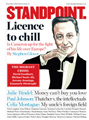
- Licence To Chill? Not Yet, Prime Minister
- Money Can't Buy Us Love: Profiting From Loneliness
- More Immigration Means Less Integration
- Is France As Doomed As Houellebecq Thinks?
- Compassion To Refugees, Not Capitulation To Islamic State
- How Mervyn King Got Northern Rock Wrong
- Fix Rotten Boroughs Or Risk Voting Wars
- Migrant Crisis? Europe Hasn't Seen Anything Yet
- Why Palmyra Should Matter To The West
- Corbyn's Rise Makes Cameron Redundant
- No, Jeremy: Politics Is All About Borders Now
- Why 'Lady Chatterley' Still Provokes Us
- For Climate Alarmism, The Poor Pay The Price
- Will Putin's Empire Outlast The Soviets?
- British Witnesses To Lenin's Revolution
- Bibliophiles Beware: Online Prices Are A Lottery
- How Jeremy Corbyn's Coup Hijacked Labour
- Corbyn's Signpost Back To The Ghetto
- Unionists, Don't Despair: Scotland Is Not Lost — Yet
- Britain's Apologists For Child Abuse

7:02 PM