



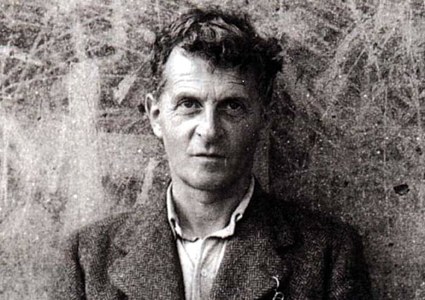
Lonely linguist: Ludwig Wittgenstein thrived in Skjolden's solace
In 1913 the Austrian-born philosopher Ludwig Wittgenstein abandoned the busy social scenes in Vienna, where he grew up, and Cambridge, where he had settled as a maverick academic, for Skjolden at the far end of the world's deepest and longest fjord. Some now think his subsequent Norway periods were among the most significant in a reflective life spent in several countries. Norwegian Wittgensteinians, let me call them that, want to encourage new interest in why this most influential, inevitably misunderstood 20th-century philosopher made a home in the cold north. They would like to see a steady flow of visitors to Skjolden, but their problem is that the "hut" a few high-end tourists might come to inspect is no longer there. Only the name of the man survives.
Skjolden in those days was a busy crossroads beneath a mountain pass dividing Norway's east and west, never the inaccessible outpost of Wittgenstein legend. A boat arrived daily from Bergen, Norway's second city. Access became more difficult with the decline of river transport during the last century, but this year big tourist cruise ships have started calling. So with the prospect of a thousand or so visitors landing daily for a few hours through the summer, Skjolden's prospects are improving again and the Wittgenstein question is topical.
The new landing stage and extra tourist beds have added urgency to the ongoing debate: should the hut be rebuilt with the original materials which are still to hand or should the empty space be left to count for itself? What would the man himself have wanted?
When, as a self-taught philosopher, Wittgenstein suddenly burst on to the Cambridge academic scene, Bertrand Russell hailed him as a genius. Yet Russell immediately perceived the difficulties facing a man who was fighting for self-perfection and rejecting the world in the process. I believe that whatever decision Skjolden takes will depend on an interpretation of Wittgenstein's whole work:
Where does our investigation get its importance from, since it seems only to destroy everything interesting, that is, all that is great and important? (As it were all the buildings, leaving behind only bits of stone and rubble.) What we are destroying is nothing but houses of cards and we are clearing up the ground of language on which they stood.
(Philosophical Investigations [118])
Visit the site of the old hut today and you can kick that thought around, together with a couple of old bricks. The gist of it is that philosophy's job is not to build but to undo: not a popular job but a necessary one. Who knows, an empty space where a house once was might be just the way to get that message across.


- Migrant Crisis? Europe Hasn't Seen Anything Yet
- Why Palmyra Should Matter To The West
- Corbyn's Rise Makes Cameron Redundant
- No, Jeremy: Politics Is All About Borders Now
- Why 'Lady Chatterley' Still Provokes Us
- For Climate Alarmism, The Poor Pay The Price
- Will Putin's Empire Outlast The Soviets?
- British Witnesses To Lenin's Revolution
- Bibliophiles Beware: Online Prices Are A Lottery
- How Jeremy Corbyn's Coup Hijacked Labour
- Corbyn's Signpost Back To The Ghetto
- Unionists, Don't Despair: Scotland Is Not Lost — Yet
- Britain's Apologists For Child Abuse
- Lift The Fee Cap And Set Universities Free
- The Story Behind One Dead Man's Penny
- Hitler's 'Ecological Panic' Didn't Cause The Holocaust
- Meet The Montalvos: The First Global Family
- Mr Gove, Here Is Our Statute of Liberty
- A British Bill Of Rights
- Something For Nothing Just Won't Do Any More

8:07 PM
8:02 PM