



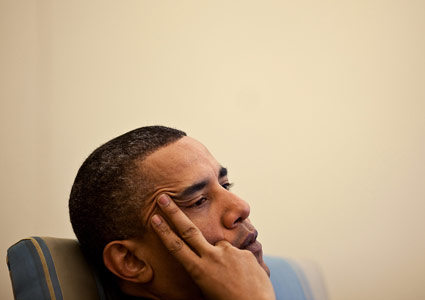
 The fantasy candidate: Obama's campaign made the electorate promises he cannot keep
November 6, 2012 gave generations of American history students yet unborn a new standard exam question: how did one of the most ineffectual presidents in US history get re-elected?
Across the OECD countries since the financial crisis hit in 2008 incumbents have had a tough time. Britain, Spain, France, Italy Greece and Ireland have ditched leaders. How did Barack Obama buck this trend?
The pattern has been that economic realities have forced big-spending, heavily-indebted Western governments of whatever stripe to adopt some measure of spending restraint. Even when, as in Spain and France, parties have been elected in opposition to so-called austerity they have been forced into it once in office by the remorseless reality of economics.
Electorates haven't liked this. They still appear to believe, as the current travails of Britain's coalition and plummeting popularity of President Hollande show, that there is a magic money tree somewhere, that plenty can return and cruel financial reality be banished simply by ticking a different box on a ballot paper.
Whereas other elections since 2008 have pitched an "austerity incumbent" against a "fantasyland challenger", in America the roles were reversed. Obama, the incumbent, peddled fantasy; his challenger, Mitt Romney, offered some semblance of reality. Looked at this way the post-2008 pattern was maintained: the fantasy candidate won.


Post your comment
- Tsar Of The Holy Land
- Kennedy's False Note
- A Syrian Precedent
- Spending Spree
- Phoney Freedom
- Capitalist Capital
- Tate Hangs Back
- Bookish Brummies
- Stand Up For Surrey
- Darwinian Disbelief
- Washington Reds
- Erdogan's Folly
- Rude Britannia II
- No French Please
- Airtime To Fill
- Hands Off Judges
- Poetic Injustice
- A World of Flowers
- A Toast To Civilisation
- Royal Age Concern

- The Zombie Argument that Refuses to Die
- Online Only: The Price Paid for Criticising Islam
- Overrated: Dan Brown
- Is the Brain the Key to Understanding Religion?
- Overrated: George Monbiot
- Time to Wise Up to the Muslim Brotherhood
- 'Please Sir, I Just Want to Learn More'
- The Alternative History of an Undivided India
- The Zombie Argument that Refuses to Die
- Online Only: The Price Paid for Criticising Islam
- Overrated: Dan Brown
- Is the Brain the Key to Understanding Religion?
- Overrated: George Monbiot
- Time to Wise Up to the Muslim Brotherhood
- 'Please Sir, I Just Want to Learn More'
- The Alternative History of an Undivided India
- Decline and Fall of the History Men
- Uncritical Theorists Who Misread the Nazis
- The Zombie Argument that Refuses to Die
- The Banality of Hannah Arendt
- From Kitsch to Cool: Picasso and Modern Art
- Is the Brain the Key to Understanding Religion?
- Time to Wise Up to the Muslim Brotherhood
- Midfield Virtuoso Finds His Perfect Pitch