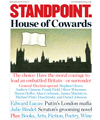



I doubt that many of my American compatriots would understand it: the loathing for the European elite that has gathered in Britain after years of unaccountable, anti-democratic, profligate, condescending, contemptuous, haughty, sanctimonious, and petty — have I left out any adjectives? — high-handedness from Brussels. Those of my ilk who scream, "DIE, EURO, DIE!" at their TV screens have every sympathy for the eurozone's peoples, fellow victims of the same patronising know-it-alls at the top. But the euro has become the supreme icon of all we despise about the EU. Formed by fiat through the Maastricht Treaty, its adoption not put to popular votes, the currency emblemises the EU's refusal to involve the sorry little serfs in decisions that may affect their lives but that are far too important for the tiny nobodies to control. Since the whole project never made the slightest economic sense, the euro is also an emblem of hubris. Thus for its vainglorious creators to be forced to watch their pet currency go down in flames seems the perfect punishment.
Granted, I am of the sensible, supportable view that either a euro demise or a membership contraction would benefit the European periphery, if not everyone, in the long term. But given the potentially horrific destabilisation on the way to this sunnier day, perhaps it's fortunate that whatever heh-heh-heh I indulge in front of Newsnight has no effect on events.
Of course, there's a second driver of die-euro-die!, which any novelist should recognise: narrative appetite. Most of the time, news is entertainment, and we can easily get what's good for a story and what's good for real life confused — that is, we sometimes insist that reality comply with the rules of fiction. After following this tale for a good two years, we hunger for a climax. Suppose that, after all the nail-biting build-up over a "Grexit" or a "Spexit", all the talk of national bankruptcies and social upheaval or even breakdown, the powers-that-be get their acts together and suddenly it's, "Oh, well, I guess that's sorted." What a crap story. We've been watching a disaster movie, and, damn it, we want our disaster.
But disasters are more thrilling in the audience than on the other side of the screen. So I probably wouldn't like it, the real thing; I certainly wouldn't relish the proper depression that some forecast would follow a euro self-destruct. Besides, the last people punished would be the EU elite, who'd ride out the misery in style, sipping champagne and nibbling canapés — egg, perhaps, the better to get it on face. Eurocratic humiliation would be the single upside to the crisis, and almost worth the sacrifice.


- The Loss Of Faith Made Music Mute
- The Great Betrayal: How Liberals Appease Islam
- Political Correctness Is Devouring Itself
- The New Language Of Political Narcissism
- Why The World Still Loves Shakespeare
- Don’t Listen to Britain’s Designer Demagogues
- Who's in Charge of BBC News?
- An English parliament: the only way to save the UK
- The Loss Of Faith Made Music Mute
- The Great Betrayal: How Liberals Appease Islam
- Political Correctness Is Devouring Itself
- The New Language Of Political Narcissism
- Why The World Still Loves Shakespeare
- Don’t Listen to Britain’s Designer Demagogues
- Who's in Charge of BBC News?
- An English parliament: the only way to save the UK
- The Loss Of Faith Made Music Mute
- The Great Betrayal: How Liberals Appease Islam
- Why The World Still Loves Shakespeare
- Who Will Lead The Berlin Band?
- Putin and the Art of Political Fantasy
- Political Correctness Is Devouring Itself
- The New Language Of Political Narcissism
- Inside The World Of 'Non-Violent' Islamism
2:07 AM