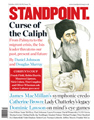



The rise of radical Islam with its medieval manias about Jewish conspiracies and Crusader intrigues and the wild fears the disasters of the Bush administration provoked are driving out unwarranted superciliousness, and not before time.
The Times columnist David Aaronovitch has just published Voodoo Histories (Jonathan Cape), an examination of paranoid politics from the Protocols of the Elders of Zion to the myths surrounding the suicide of the British government WMD expert David Kelly. Although Aaronovitch deploys a dark wit and extraordinary patience as he lays bare the psychology of conspiracism, he is no doubt that the "idea of conspiracies" has more power to cause harm than actual conspiracies. In September, Francis Wheen will release Strange Days Indeed: The Golden Age of Paranoia (Fourth Estate), which holds up the crisis of the 1970s as a mirror for our frightened times. Early next year sees Anthony Julius's study of British anti-Semitism, a work of impressive scholarship, which ends with an account of how the traditional conspiracy theory of the far-Right crashed through the central-reservation barrier to deform the thinking of the Left.
I use the terms "Right" and "Left" out of habit, but I cannot pretend that they help. In 1963, at the high point of post-war liberalism, Richard Hofstadter delivered his celebrated lecture "The Paranoid Style in American Politics" and thought that he was describing a conservative pathology. Hofstadter was a good historian and accepted that his definition of paranoid included the populist theory from the late 19th century that an international conspiracy of bankers was impoverishing the common man and the pacifist fantasy that arms manufacturers had tricked America into entering the First World War. But Joseph McCarthy's hunts for communists in the 1950s were at front of his mind and he directed most of his fire against conservative nativist movements, which had raged throughout American history against Catholic and Jewish immigration and Masonic, Jesuit and communist conspiracies. "A distinguished historian has said that one of the most valuable things about history is that it teaches us how things do not happen," Hofstadter concluded after surveying the sorry field. "It is precisely this kind of awareness that the paranoid fails to develop. He has a special resistance of his own, of course, to developing such awareness, but circumstances often deprive him of exposure to events that might enlighten him — and in any case, he resists enlightenment. We are all sufferers from history, but the paranoid is a double sufferer, since he is afflicted not only by the real world, with the rest of us, but by his fantasies as well."


- Migrant Crisis? Europe Hasn't Seen Anything Yet
- Why Palmyra Should Matter To The West
- Corbyn's Rise Makes Cameron Redundant
- No, Jeremy: Politics Is All About Borders Now
- Why 'Lady Chatterley' Still Provokes Us
- For Climate Alarmism, The Poor Pay The Price
- Will Putin's Empire Outlast The Soviets?
- British Witnesses To Lenin's Revolution
- Bibliophiles Beware: Online Prices Are A Lottery
- How Jeremy Corbyn's Coup Hijacked Labour
- Corbyn's Signpost Back To The Ghetto
- Unionists, Don't Despair: Scotland Is Not Lost — Yet
- Britain's Apologists For Child Abuse
- Lift The Fee Cap And Set Universities Free
- The Story Behind One Dead Man's Penny
- Hitler's 'Ecological Panic' Didn't Cause The Holocaust
- Meet The Montalvos: The First Global Family
- Mr Gove, Here Is Our Statute of Liberty
- A British Bill Of Rights
- Something For Nothing Just Won't Do Any More

2:04 AM
4:11 PM
2:07 PM
6:06 PM
3:06 PM
2:06 PM
11:06 PM
2:06 PM
10:06 PM
2:06 PM